


As the days get longer and courses begin to firm up, many golfers feel the familiar pull toward the season ahead.
With more rounds booked and more practice planned, there’s often an expectation that the game should simply “come back” after winter. In reality, strong starts are rarely accidental. They’re built through thoughtful preparation that goes beyond swing mechanics alone.
To play your best, you need to consider the bigger picture: physical readiness, equipment, skill development, practice structure, and decision making. Preparing for the season is not about fixing everything at once, but about building a foundation that allows your best golf to show up when it matters.
Clarity Over Guesswork
Before hitting thousands of balls or booking random lessons, ask yourself:
“What does success look like this year?”
For some, it may be a lower handicap. For others, it might be greater consistency or simply fewer frustrations. Early season is the ideal time for a clear game assessment. By understanding where you are genuinely gaining or losing shots, you can turn effort into progress rather than practising without direction.
Physical Readiness: Supporting Performance
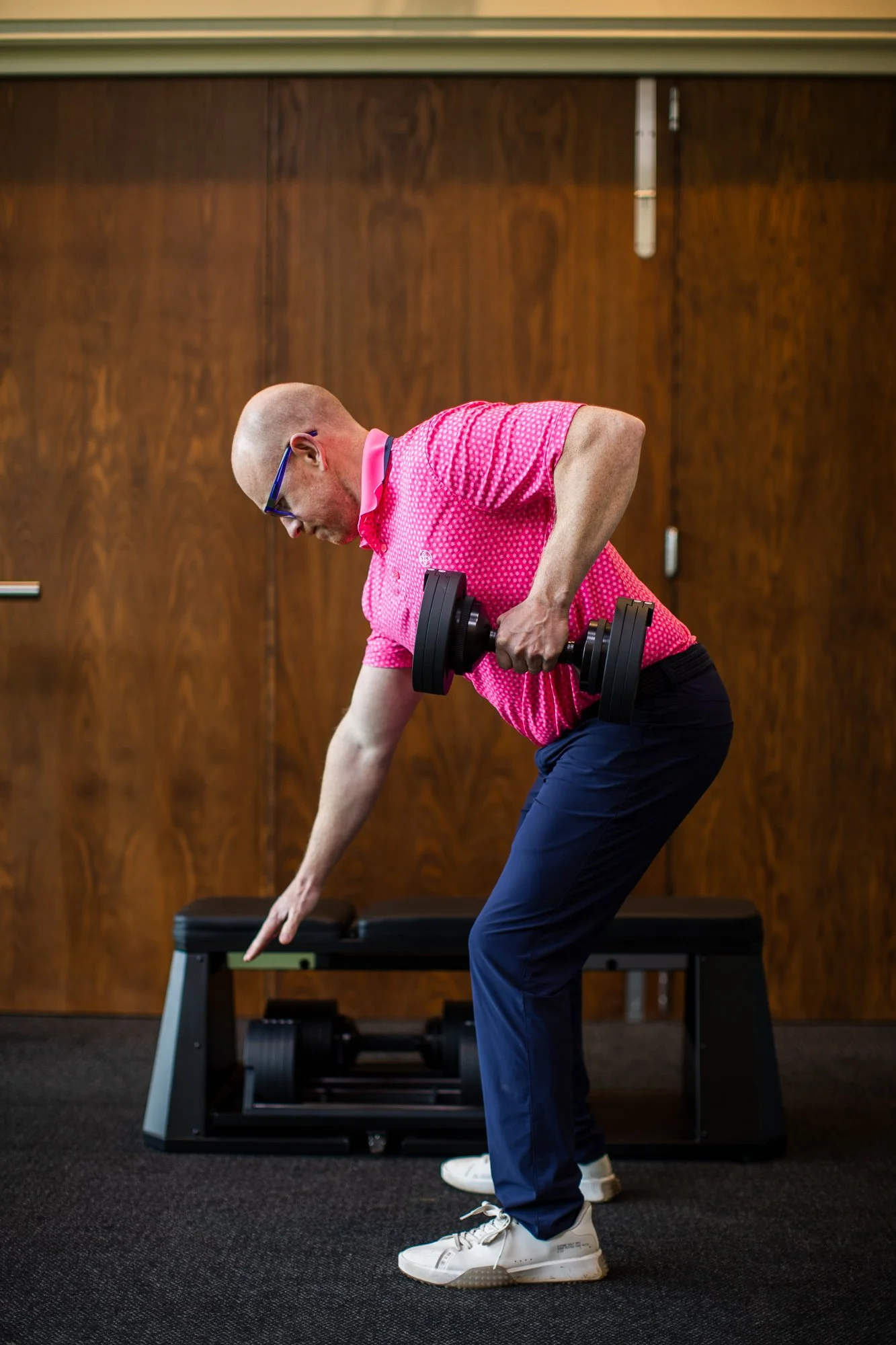
A common early season mistake is jumping straight into high practice volumes after a winter of reduced activity. This sudden change can lead to stiffness, fatigue, or injury, but it can also limit how effectively technical improvements are absorbed.
Physical readiness is not about training like an athlete. It is about ensuring the body can cope with the demands of practice and play as the season ramps up.
A simple physical check helps create clarity:
Physical screening highlights movement restrictions or stability issues that may be influencing performance. Many technical compensations are the body’s solution to a physical limitation rather than a swing fault.
Load management allows the body time to adapt as practice volume increases, improving recovery and reducing injury risk.
Movement efficiency focuses on moving freely and repeatedly without unnecessary tension or breakdown, allowing practice to remain productive.
When the body is prepared to perform, improvements in technique and decision making are far easier to sustain.
Equipment: Supporting the Body and the Ball Flight
Before committing to technical changes or new practice habits, it’s important to ensure your equipment supports what you are trying to achieve.
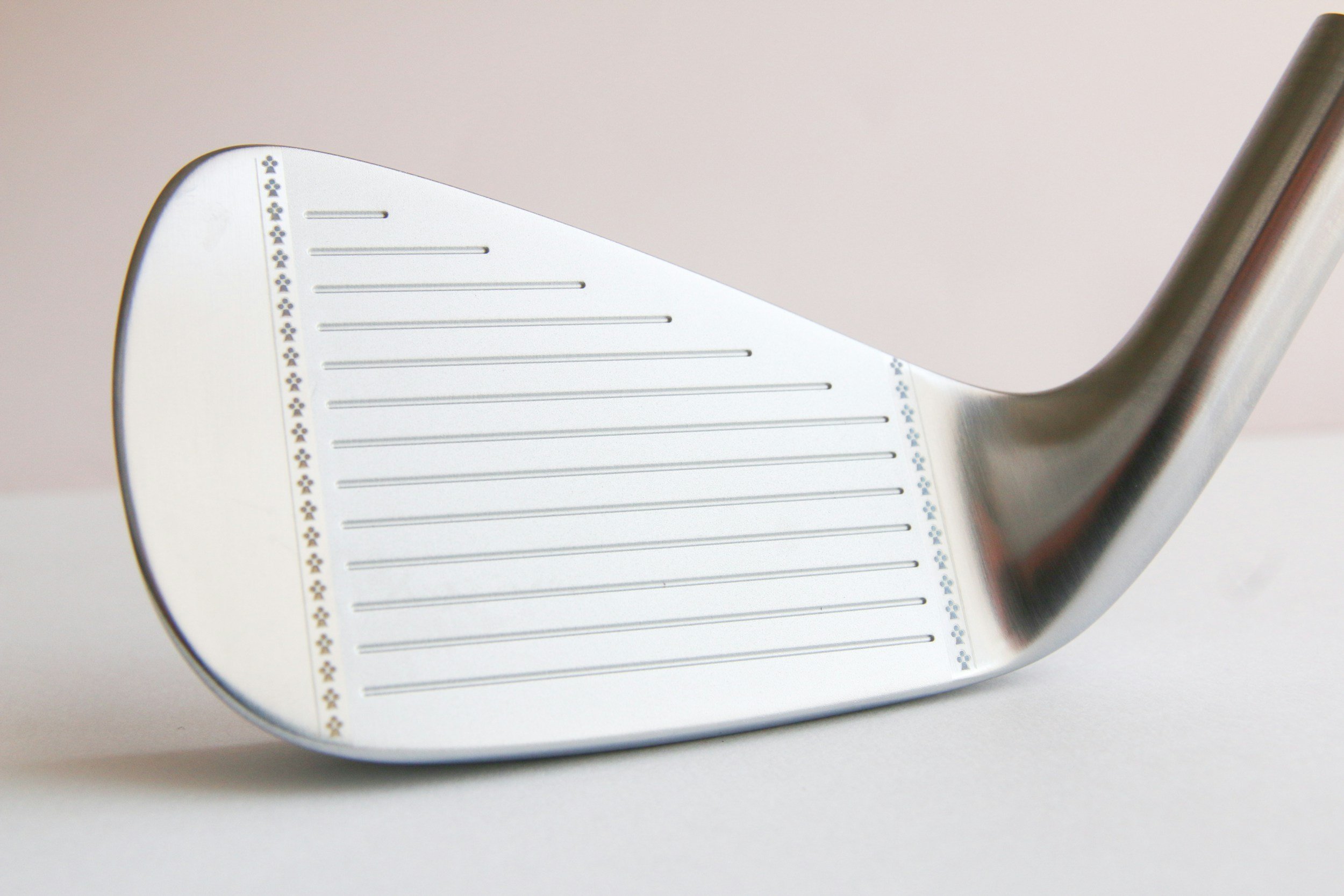
Ill fitted or outdated equipment can distort feedback, mask progress, and force compensations that undermine both technique and tactics. Over time, this can place unnecessary stress on the body and, in some cases, contribute to injury as the body works around the club rather than with it.
Key areas to review include:
Club fitting
Shaft profile, length, lie angle, and head design all influence strike quality and consistency.
Gapping and carry distances
Reliable yardages are essential for effective practice and sound tactical decisions.
Ball choice
The ball you play affects launch, spin, and control, particularly around the greens.
Equipment doesn’t need to be changed impulsively, but it should be reviewed deliberately. When clubs and ball choice are aligned with the body and intended ball flight, practice feedback becomes more reliable and tactical planning more accurate.
With the body prepared and equipment aligned, the focus can shift to how skills are developed and brought to life through the shots you are trying to hit.
Technique: From Swing Mechanics to Shot Focus

When golfers work on technique, it is easy to become overly swing focused. Attention drifts toward
positions and how movements look. While mechanics matter, golf is played by producing a ball flight to a target, not by controlling a movement in isolation.
For technique to transfer, it must be brought to life through a shot focus, not a swing thought.
Technical work follows a simple four stage structure: Analysis, Design, Focus, and Train.
Analysis builds a clear picture of current performance, including ball flight, strike, how the body and swing interact, and how the player best processes information.
Design defines the technical upgrade that supports the shots the player needs, rather than chasing a generic swing model.
Focus establishes a clear sensory shot focus, linked to the intended flight, allowing the body to organise naturally.
Train ensures the change transfers through task based practice and shot execution.
The result is a shift from working on a swing to owning a shot with clarity and trust.
Smart Practice: Using the Right Training Style at the Right Time

Most golfers naturally fall into block practice. Hitting the same club to the same target feels logical and productive, especially when working on technique.
Block practice has value, but it is only one part of effective training:
Block practice repeats the same shot to build initial confidence.
Variable practice reduces repetition in a structured way, such as changing target or club every few balls, similar to gym training with sets and reps.
Random practice changes both club and target from shot to shot, mirroring the demands of the course.
Variable and random practice often feel harder and messier, which is why they are avoided. However, they are usually more effective for long term learning and transfer.
In reality, practice is always a blend of all three styles. The balance differs between players and often shifts with the time of year and the skill being trained. The aim is not to make practice feel easy, but to make it relevant, so skills hold up on the course when it matters most.
Tactical Mastery: Playing the Course With a Plan
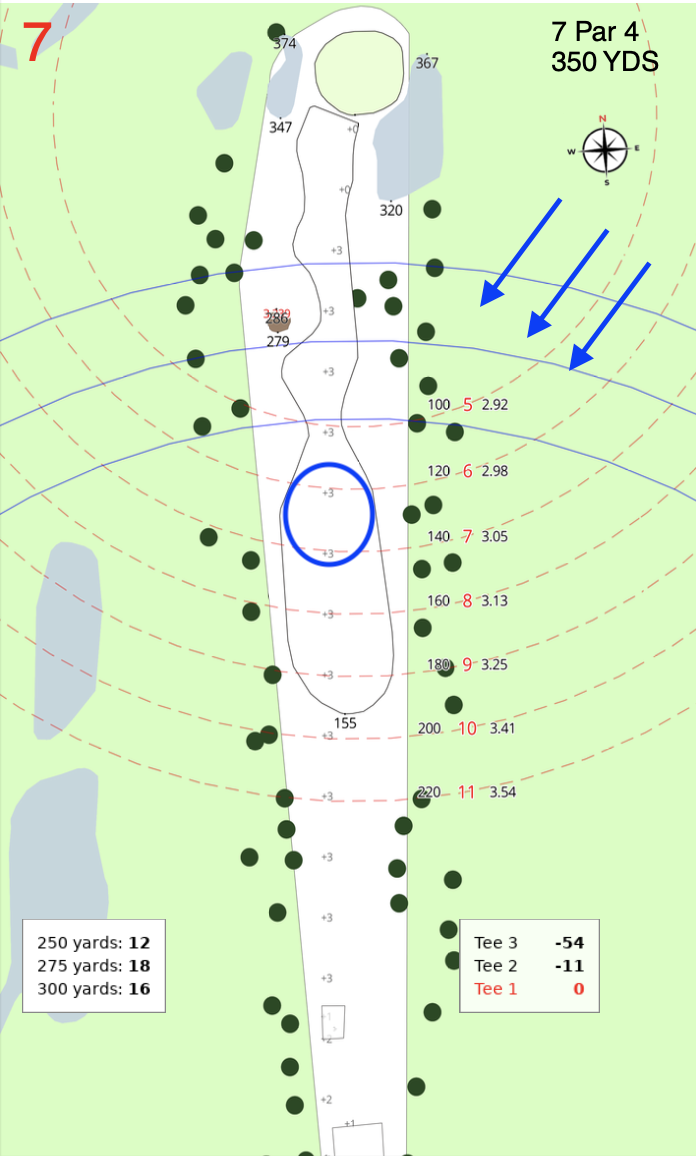
Refining your tactics is one of the fastest ways to lower scores. Effective course management is built before the round begins, not decided emotionally shot by shot.
A strong tactical approach includes:
Establishing Personal Par
Adjusting expectations based on handicap rather than the scorecard.
Baselining the Course
Defining go zones and intended targets using tools such as Shot Scope or DECADE style frameworks.
Building options into the plan
Pre planned conservative and assertive options on key shots.
Using instinct within structure
Allowing feel and confidence to guide the final choice between defined options.
Knowing your numbers
Adjusting carry distances for wind, elevation, temperature, and shot tendencies.
This approach simplifies decisions, improves commitment, and conserves emotional energy for execution.
The Coaching Programme vs the Quick Fix
When things go wrong, many golfers seek a quick fix through a one off lesson. While this may help short term, lasting improvement usually comes from a structured coaching programme.
Programmes provide continuity, accountability, proactive improvement, and support beyond technique alone, including physical readiness, practice habits, and tactical planning.
Final Thoughts
Get The Leading Edge
At The Leading Edge Golf Company, my programmes are designed to help golfers stop scrambling and start performing.
By starting the season with a clear plan and structured support, you give yourself the best chance to play your best golf all year.
Thanks for reading,
Oliver C. Morton
 Subscribe